
Unraveling the historical evolution of gambling from ancient rituals to modern casinos
The Origins of Gambling in Ancient Cultures
The roots of gambling can be traced back to ancient civilizations, where it was often intertwined with religious and cultural practices. In ancient Mesopotamia, for instance, clay dice dating back to 3000 BC provide evidence of early gaming. Gambling was frequently associated with divination, where the act of casting lots was believed to reveal the will of the gods. Such rituals laid the groundwork for what would become a multifaceted aspect of human culture, reflecting both chance and fate. For more information, visit https://crazytower-au.com/.

Similarly, ancient China and Egypt had their forms of gambling, often involving games of chance that were reflective of the societies’ values and beliefs. The Chinese invented games like «Keno,» which remains popular today. In these societies, gambling was not merely a pastime but served as a means of connecting with the divine or predicting future events, showcasing how gambling evolved from simple games to more complex societal functions.
The Greeks and Romans further developed gambling practices, integrating them into their social fabric. In Rome, gladiatorial games often included betting, which amplified the excitement and engagement among spectators. This cultural acceptance of gambling laid the foundation for its evolution, fostering an environment where games of chance could flourish and evolve over centuries, eventually leading to the establishment of more formalized gambling venues.
The Middle Ages and the Rise of Gaming Houses
During the Middle Ages, gambling faced periods of scrutiny and prohibition, particularly from religious institutions that viewed it as morally questionable. Despite these challenges, the passion for games of chance persisted, leading to the establishment of the first gaming houses in Europe. These establishments were often clandestine, located in secretive areas to evade authorities, and catered to the elite who sought both entertainment and the thrill of risk.
The emergence of card games during this era marked a significant turning point in gambling history. Games such as «Poker» and «Brag» gained popularity, further entrenching gambling into European culture. As the nobility indulged in these games, they inadvertently helped normalize gambling, leading to its acceptance in society. By the late Middle Ages, public betting on events like horse racing became widespread, paving the way for the development of official betting venues.
This transitional phase set the stage for the more regulated gaming environments that would emerge in the coming centuries. The allure of gaming houses evolved into structured entities where games could be played legally, which would eventually lead to the grand casinos that are now recognizable around the world. This evolution illustrated not only a shift in attitudes towards gambling but also a reflection of changing social dynamics and economic structures.
The Enlightenment and the Birth of Modern Gambling
The Enlightenment era brought significant changes to gambling, with increased emphasis on rationality and individual choice. As societies evolved, so did the gambling landscape; casinos began to emerge as formal establishments, particularly in Italy. The first official casino, the Ridotto, opened in Venice in 1638, providing a structured environment for gambling. It was a place where the aristocracy could engage in games while being overseen by government regulations.
The establishment of these casinos coincided with the invention of new games and betting strategies, which enhanced the overall gambling experience. The game of roulette, for example, became a staple in casinos, showcasing the blend of chance and strategy that captivated players. This era also saw the introduction of gambling laws, aimed at protecting players and ensuring fair play, marking a significant shift towards a more organized gambling industry.
As the 19th century approached, gambling continued to gain acceptance, further aided by technological advances such as the printing press, which allowed for wider dissemination of gaming strategies and rules. The era laid the groundwork for the modern casino experience, where patrons could enjoy a variety of games in a lavish setting. The combination of cultural shifts, technological progress, and increasing public interest in gambling led to the establishment of a robust casino culture that remains relevant today.
The 20th Century: Expansion and Globalization of Casinos
The 20th century witnessed the globalization of gambling, with casinos emerging in various parts of the world, particularly in the United States. The legalization of gambling in Nevada in the 1930s marked a pivotal moment, as Las Vegas transformed into a gambling mecca. This city became synonymous with entertainment and luxury, attracting millions of visitors seeking the thrill of gambling. The marketing of casinos as entertainment hubs revolutionized how gambling was perceived.
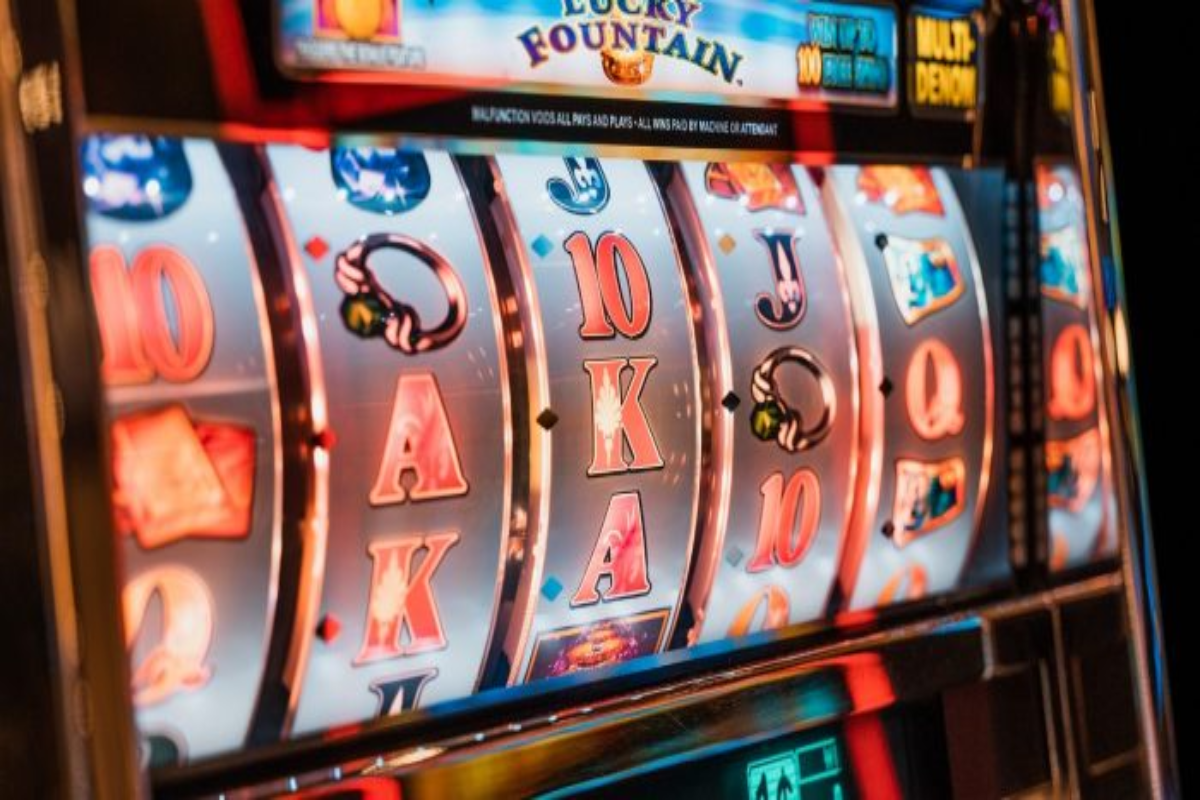
With advancements in technology, casinos began to incorporate electronic gaming machines, vastly changing the landscape of gambling. Slot machines became a staple, offering players a new way to engage with games of chance. The rise of online gambling in the late 1990s added another layer to this evolution, enabling people to participate in gambling activities from the comfort of their homes. This shift not only expanded access to gambling but also posed new challenges in terms of regulation and responsible gaming practices.
Throughout this century, societal perceptions of gambling also evolved. It transformed from a taboo subject into a mainstream entertainment option, with various forms of gambling becoming accepted within social contexts. This evolution paved the way for more innovative concepts in gambling, such as themed casinos and integrated resorts, further enhancing the appeal and accessibility of gambling worldwide.
Exploring the Future of Gambling and Online Casinos
The future of gambling appears increasingly intertwined with technological advancements, particularly with the rise of online casinos. As platforms like CrazyTower Casino offer a variety of gaming experiences—from slots to live dealer games—the landscape is shifting towards more immersive and interactive environments. The integration of virtual reality and augmented reality technologies is set to enhance player engagement, creating experiences that mimic physical casinos while retaining the convenience of online gaming.
Moreover, regulatory frameworks are evolving to accommodate these changes, promoting responsible gaming and ensuring the safety of players. As online gambling continues to grow, operators are investing in security measures, such as encryption technologies and responsible gaming protocols, to protect users. This focus on player safety is likely to shape the future of the gambling industry, fostering trust and encouraging more individuals to explore gaming options.
In conclusion, the journey of gambling from ancient rituals to modern casinos reflects a rich tapestry of human culture, innovation, and resilience. As we move forward, the continuous evolution of technology and societal attitudes will likely lead to new forms of gambling, enriching the experiences of players around the world. Casinos like CrazyTower will be at the forefront of this transformation, offering exciting new opportunities for both seasoned gamblers and newcomers alike, keeping the spirit of gambling alive in the digital age.